A huge thank you to Kentucky Educational Television for highlighting this special milestone in this season of “Kentucky Life.” To see more of their coverage, visit KET’s website.
Article By Kirsten Delamarter
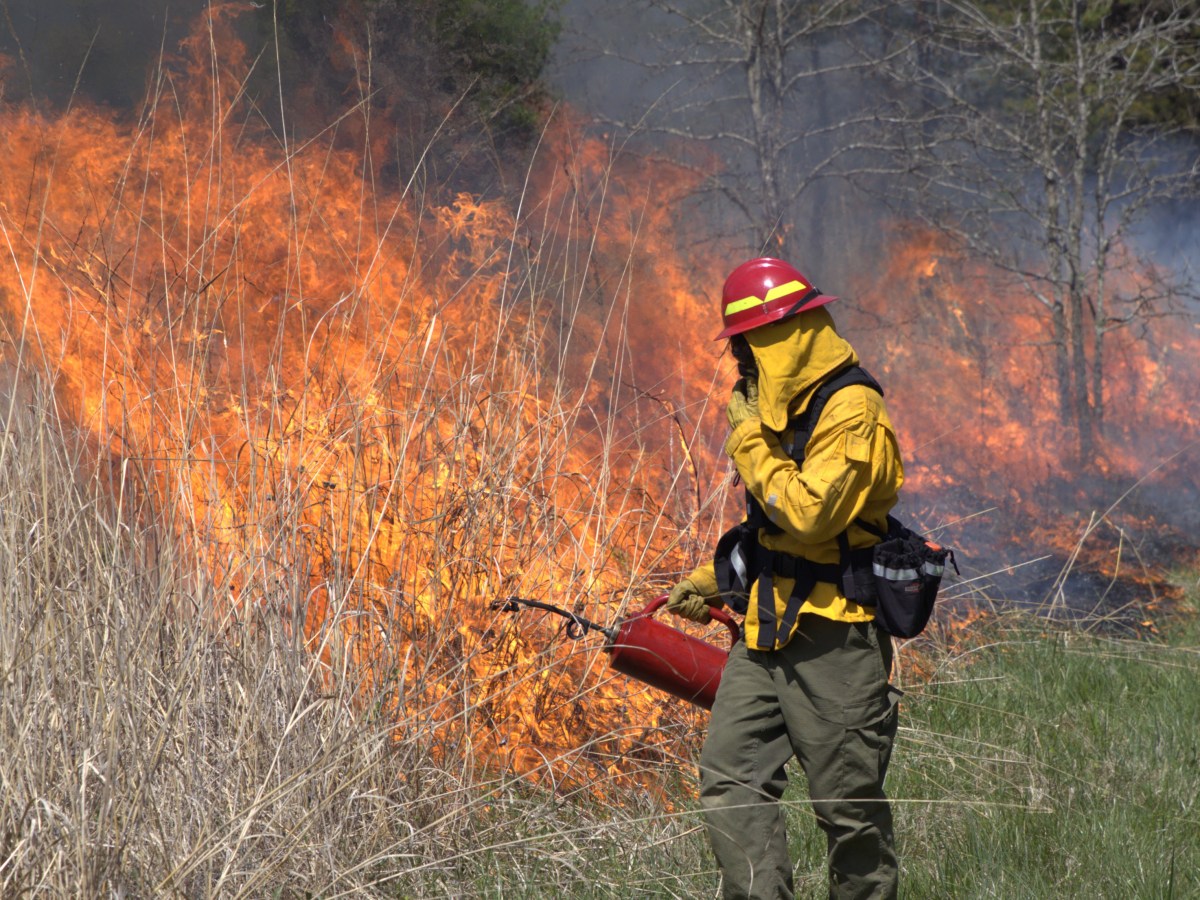
For five decades, a small but might force within state government has been protecting some of the Commonwealth’s most biologically significant areas and bringing rare species back from the brink of extinction. It happened with white-haired goldenrod in 2015 and running buffalo clover six years later. Within the next few years, the same could happen for Short’s goldenrod, white fringeless orchid, and Braun’s rockcress. To date, more than 32,000 acres of land have been protected through the work of the Office of Kentucky Nature Preserves (OKNP).
“That work doesn’t get done just by accident,” said Zack Couch, the office’s executive director. “It took a whole lot of planning and a whole lot of work.”
The agency is celebrating its 50th anniversary this year, and though the work hasn’t slowed down amid this milestone, it has given employees a chance to reflect on 50 years of documenting and protecting Kentucky’s biodiversity.
“The whole concept of ‘standing on the shoulders of giants,’ that’s what you see with (the Office of Kentucky) Nature Preserves,” Couch said. “The work that the early staff here did really set us on the trajectory to get to where we are now.”
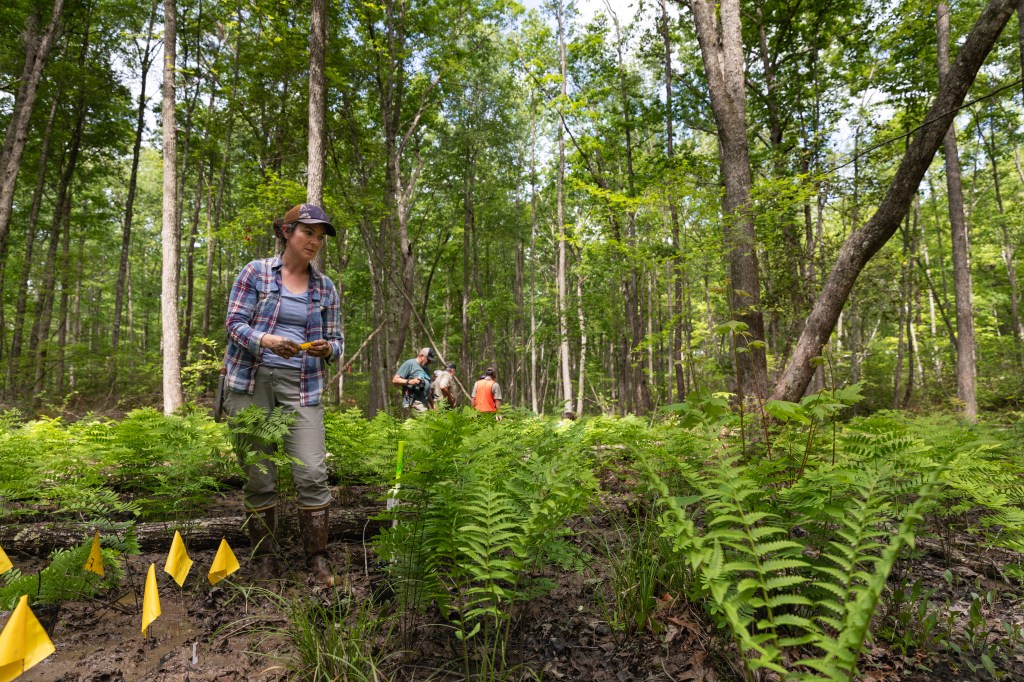
Kentucky’s nature preserves program dates back to 1976, when Elizabethtown attorney and state representative Jon Rickert penned the legislation that laid the framework for a statewide nature preserves program. The program at the time was known as the Kentucky State Nature Preserves Commission.
While the early days of the program saw the formation of the state’s first nature preserve, Blackacre State Nature Preserve in Jefferson County, the agency largely focused on creating an inventory of the state’s rare and endangered species.
This inventory is an ongoing effort that has become one of OKNP’s most significant accomplishments: the Kentucky Natural Heritage and Biodiversity Database. The database, and OKNP’s work more broadly, takes a comprehensive approach to biological inventory and documents rare plants, pollinators, terrestrial insects, crayfish, snails, lichens, and natural communities.
“By documenting these species and their habitats, we provide the scientific information needed to support conservation, land management, and protection of Kentucky’s natural heritage,” Couch said.
YOU MAY ALSO LIKE:
An example of this is Blanton Forest State Nature Preserve in Harlan County, the largest old-growth forest in the state.
Marc Evans, a longtime OKNP biologist who retired in 2010, remembers the biological inventory that kicked off the preservation of Blanton Forest in the 1990s.
“In that process, I located Blanton Forest as part of my inventory,” Evans said. “I hate to use the word ‘discovered’ because locals knew about it, but they didn’t realize it was a really significant old growth forest.”
Unlike most of the forests in Kentucky, Blanton Forest has never been logged. The result is roughly 3,000 acres of trees, some of which are more than 300 years old and tower 100 feet above the forest floor.
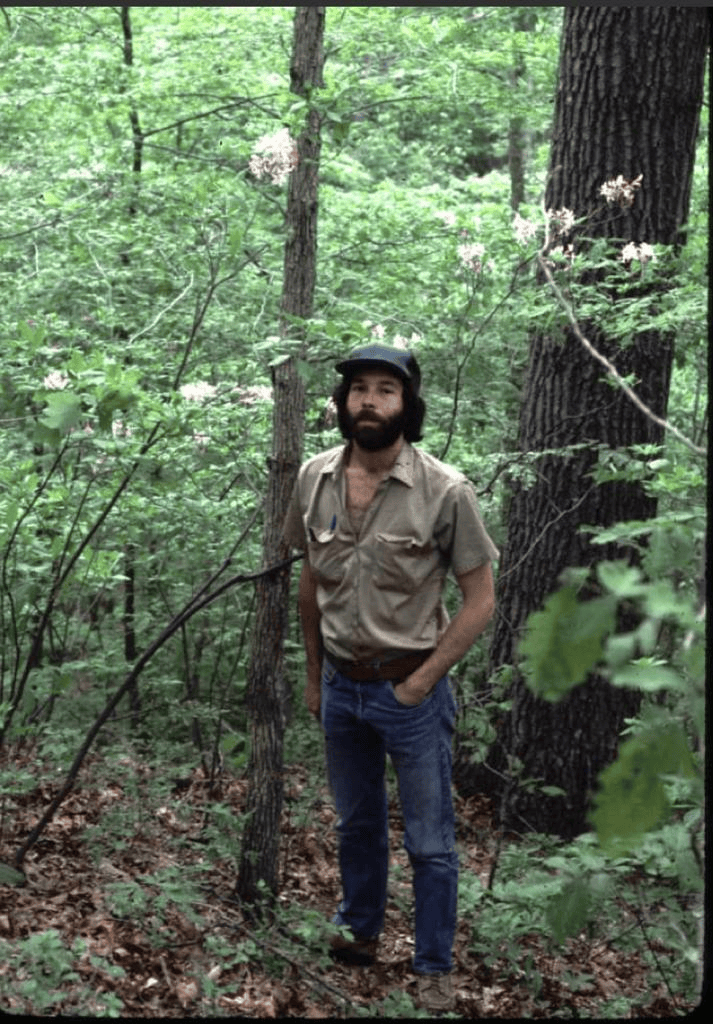
“It’s what I call ‘original equipment,’” Evans said. “It’s not like a forest that was cut a long time ago and then grew back … It’s the same as when Daniel Boone walked through here.”
For about a decade, Evans worked to track down landowners, build relationships, and eventually convince them to sell the land to the state for conservation.
In the early years, tracts were purchased through a non-profit conservation organization called the Blanton Forest Trust that became the Kentucky Natural Lands Trust, which Evans co-founded in the mid-1990s. In later years, the state purchased tracts through the Kentucky Land Heritage Conservation Fund (KLHCF), the primary source of state funding for the purchase and management of natural areas.
Left: Photo of Marc Evans, courtesy of Marc Evans.
The establishment of the KLHCF in 1990 was like “a shot in the arm” for the preservation of land in Kentucky, Couch said.
“That gave us a pretty stable funding source — not only for this agency, but for other agencies, and for local government, and now a whole slew of different entities that are able to apply for state funding — to go out and purchase these properties,” Couch said. The funding stems from sales of “Nature’s Finest” license plates, environmental fines and an unmined minerals tax. To date, the fund has helped protect and conserve over 94,000 acres of Kentucky’s natural areas on 172 tracts and in 67 counties.
Today, OKNP programs protect land as either dedicated state nature preserves, State Natural Areas, or Wild Rivers Corridors. Some of these areas fall on private land, but many are accessible to the public as local parks, hiking trails and fishing spots.
YOU MAY ALSO LIKE:
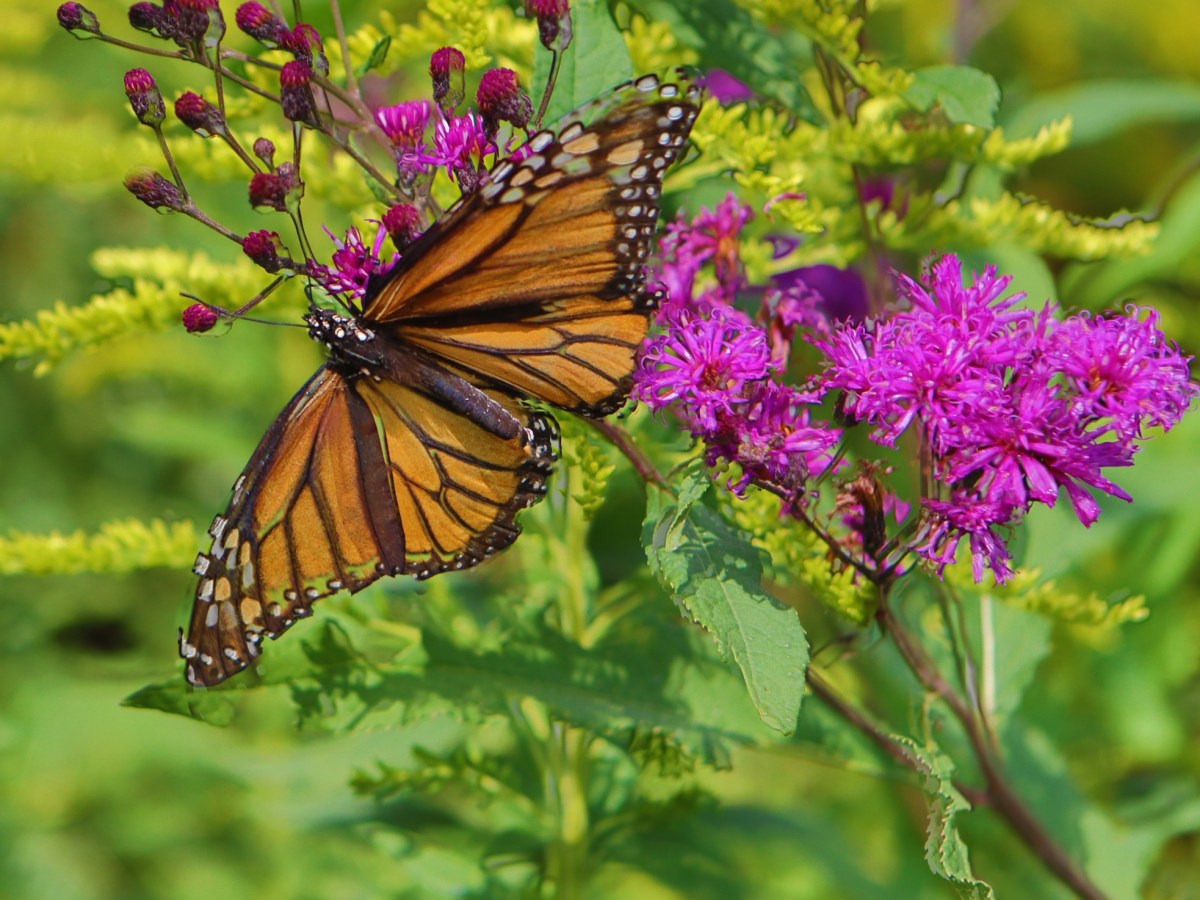
“These are places that you can go to and engage with nature and explore some of the really nice areas that Kentucky has to offer,” Couch said, such as Hall Hill State Nature Preserve near Elizabethtown, Tom Dorman State Nature Preserve in GarrardCounty, and Jesse Stewart State Nature Preserve in Greenup County. The OKNP website provides information about Kentucky’s natural areas, including locations that are open to the public for hiking and exploring.
Looking toward the future, Evans, who now serves as Senior Science Advisor with the Kentucky Natural Lands Trust, said he hopes the next 50 years bring greater recognition and importance to OKNP and its mission.
“OKNP is the only state agency whose primary mission is the protection of the biological diversity of Kentucky,” he said. “I strongly believe that protecting Earth’s biodiversity and the habitats that species depend on will become increasingly important as humans realize their survival is tied directly to the health of our one and only planet.”
To learn more about the Office of Kentucky Nature Preserves, visit eec.ky.gov/nature-preserves. To learn more about the work of the Kentucky Natural Land Trust, visit knlt.org.
Categories: About Us, All, Archive, EEC's Blog, Featured, Land, Media Gallery, Nature Preserves