By Brad Bowman
Before a single flame touches the grass, a prescribed burn has already happened on paper.
For Zach Beyer, burn boss with the Office of Kentucky Nature Preserves (OKNP), prescribed fire is not guesswork. It is not an impulse. It is not simply lighting a field and stepping back. Every prescribed burn begins with a detailed plan, shaped by weather, terrain, staff, equipment, ecological goals, emergency contacts, neighbor notifications and the boundaries that will keep the fire exactly where it belongs.
“Every bit of this is planned out in advance,” Beyer said while preparing for a prescribed burn on eight acres of Lone Oak Barrens State Nature Preserve in Grayson County. “My breaks, how we’re going to approach it, natural and man-made barriers, the wind directions and weather reports during the burn.”
Those “breaks” are fire barriers – the carefully chosen lines that help contain the burn. Some are natural, such as rivers or creeks. Others are made by people, including mowed lines, disked breaks, dozer lines, or what those on a prescribed burn call “the black” – an area burned beforehand, leaving no combustible fuel for a fire to jump the line. Each break is shaped by the land itself: what surrounds the unit, where the property lines are, how the wind moves and what sensitive areas need protection.
“Prescribed fire is a proven way to safeguard Kentucky’s natural heritage,” Heidi Braunreiter, biologist with the OKNP said. “It allows us to restore fire-adapted ecosystems, reduce wildfire risk and maintain the diverse species and habitats that make our state unique.”
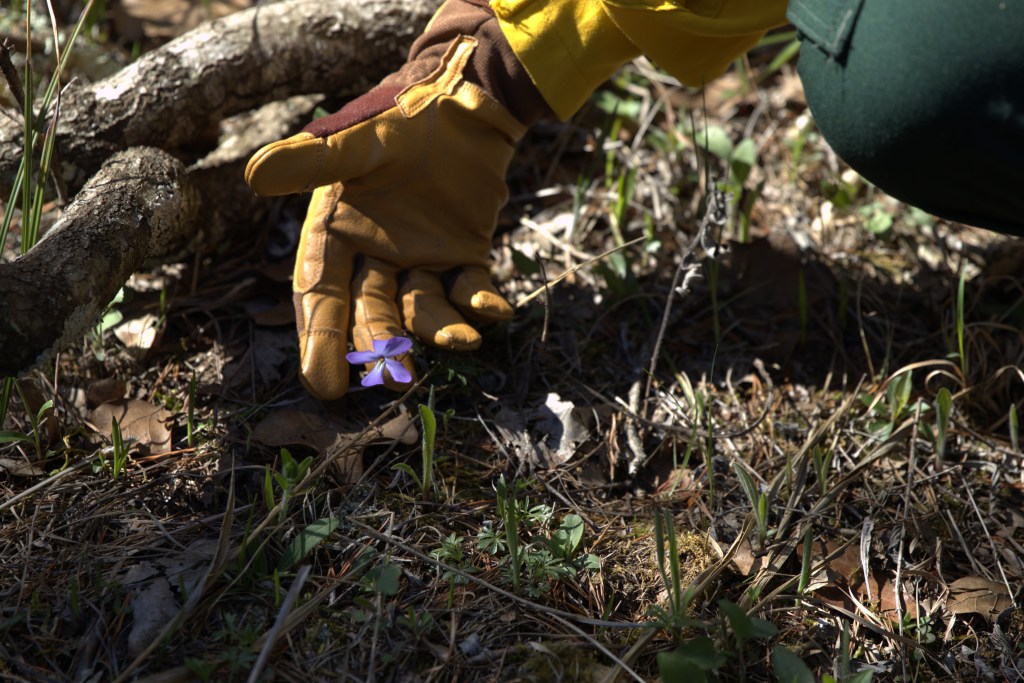
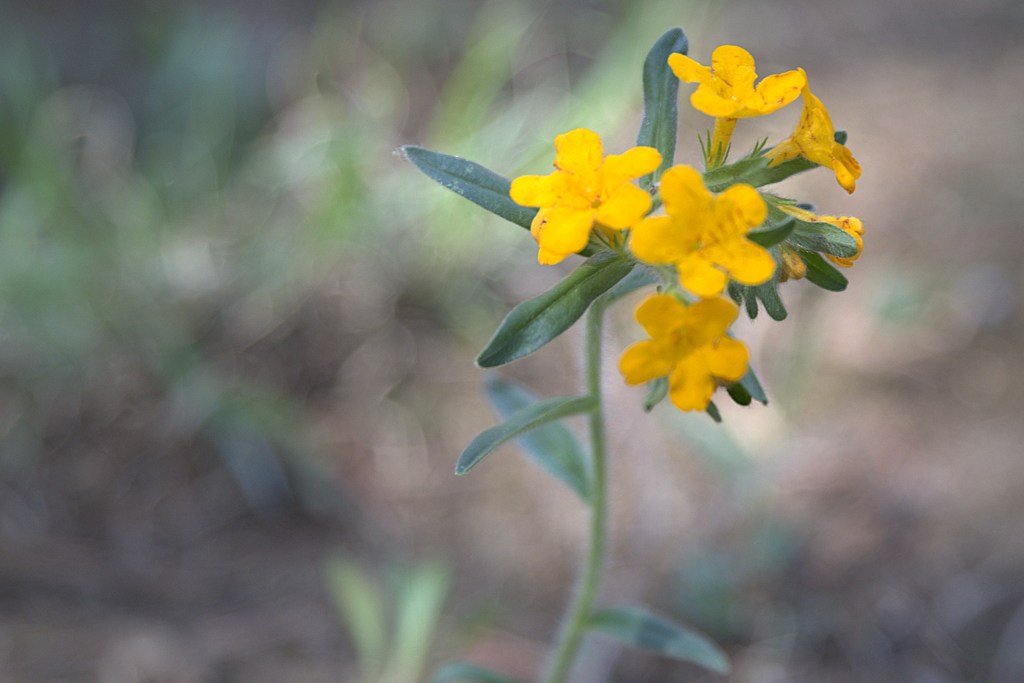
Lone Oak is a 34-acre preserve that protects a distinct limestone hillside that’s connected to sparsely wooded areas and areas of open native grassland. A state threatened plant, the hispid falsemallow occurs in the glades and Kentucky’s best population of a globally rare invertebrate species has been documented on the preserve.
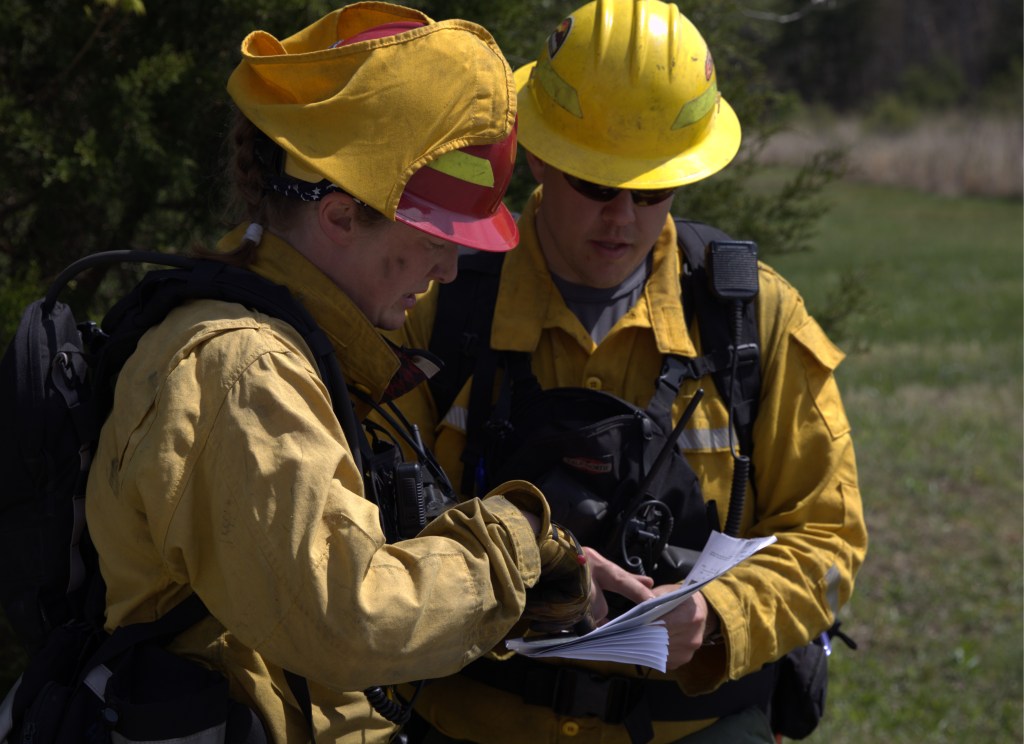
The Kentucky Department of Fish and Wildlife’s Takan Sisoumankhara assisted the OKNP team made up of biologists, entomologists and other focused disciplines. “It’s a good opportunity to have more resources available. To get habitat on the ground,” Sisoumankhara said. “Partnerships are important, everyone is working together for a common goal.”
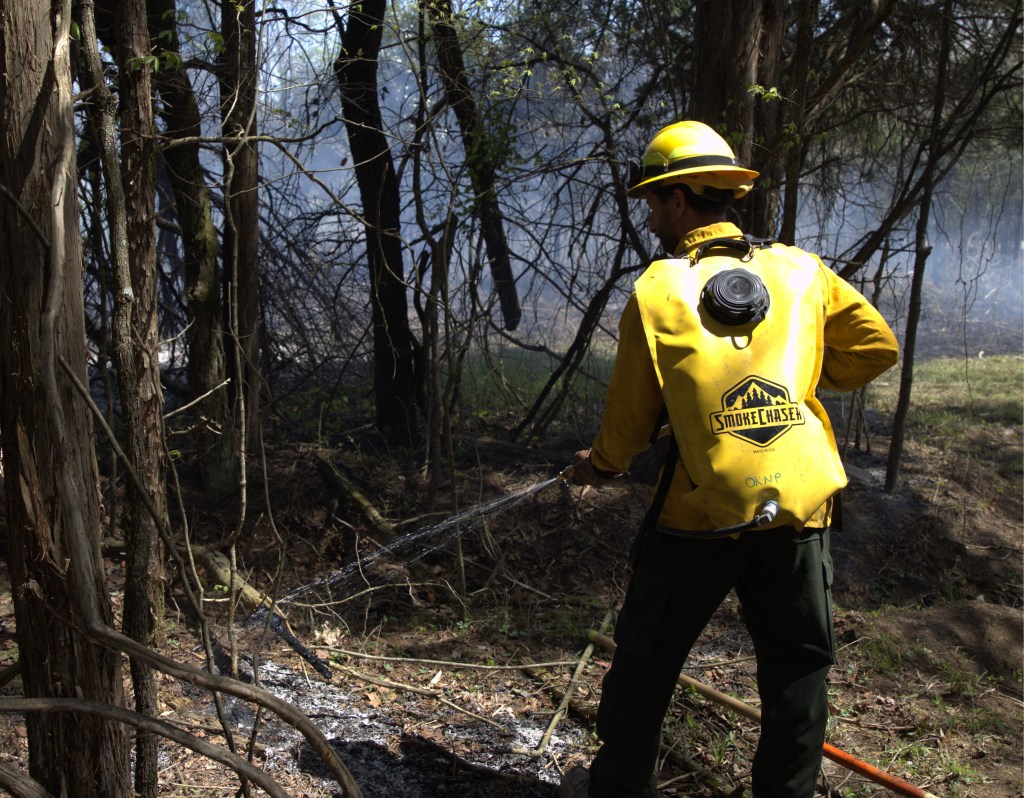
Nick Wiram of the nonprofit Quail Forever also assisted on the burn. “I love nature and grassland ecosystems,” he said. “I just want to help protect and restore those in Kentucky.”
Inside Beyer’s plan are the “why” and the “how.” Why is the burn needed? What rare plants or wildlife habitat is the burn intended to support? What weather conditions must be present for the burn to proceed? What equipment and staff are needed? How will crews hold the line, manage the fire and conduct mop-up to handle smoldering debris after the initial burn?
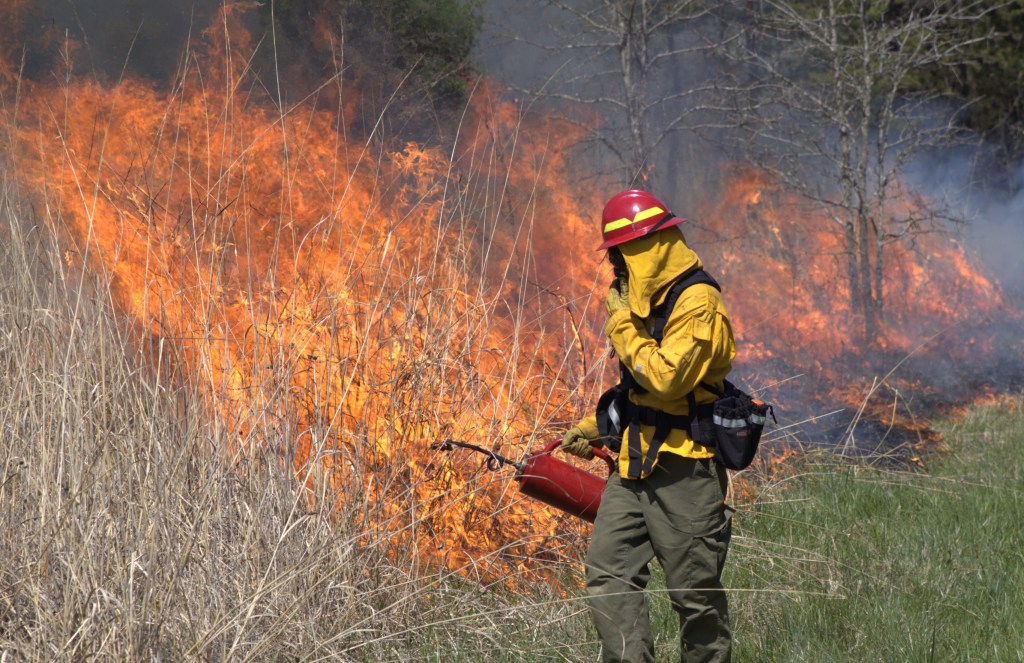
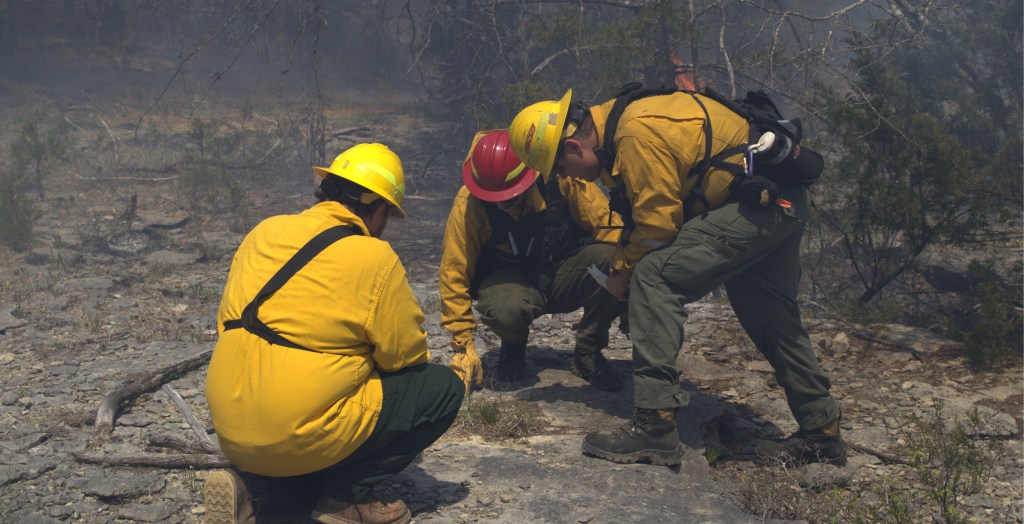
“We’re not just out here as firebugs,” Beyer said. “We’re here to perform a form of disturbance that serves ecological purposes. We are using fire as a tool.”
For Kentucky’s natural areas, that disturbance can be essential.
Many native grasslands, glades, prairies and woodlands evolved with fire as part of the landscape. Without periodic fire, trees competing for sunlight create a canopy, and shrubs can creep into open habitats, crowding out sun-loving native plants and changing the character of the ecosystem.
For Lone Oak Barrens Nature Preserve, a prescribed burn is one tool used for ecological management, control of exotic species, reduce woody encroachment, increase sunlight in the glade and prairie areas for native wildflowers and grasses, which improves the habitat for rare species.
But crews don’t simply light everything at once. Instead, they begin by creating more “black,” the already-burned area that acts as a barrier. Once the fuel is burned, fire generally will not carry back across it. That blackened ground becomes part of the control system.
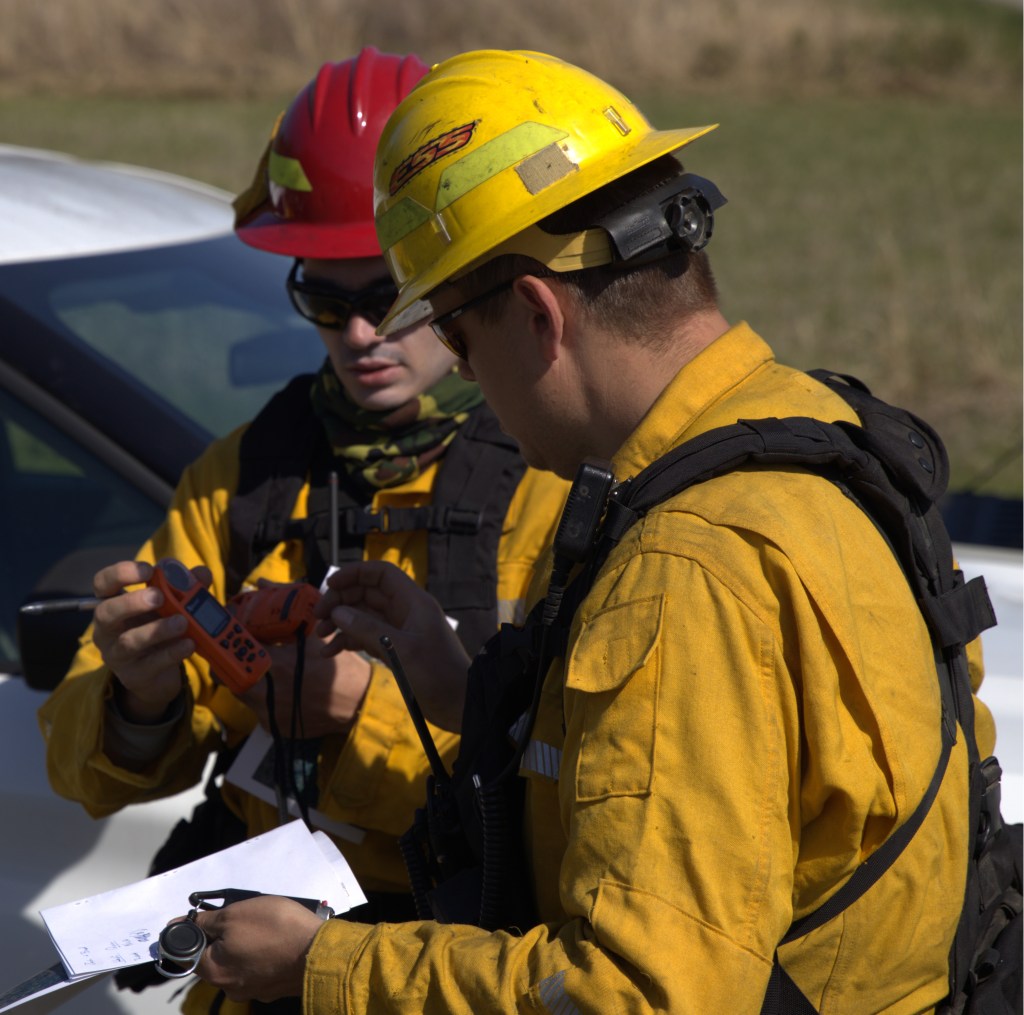
The ignition strategy is built around wind, slope and safety.
Beyer directed the team to start uphill and downwind, with the wind in their faces, which allowed them to create the burned barrier in a controlled way. The crew split into two teams, igniting vegetative fuel around the perimeter. As the burn progresses, that black gives crews more protection when they move into areas where wind or land slope could push the fire more actively.
Once enough black had been established, they could use different burning techniques like strip fires, flanking fires and backing fires to guide the burn through the area.
Each type of fire behaves differently. A backing fire moves into the wind or downslope, usually with lower intensity. A flanking fire moves roughly parallel to the wind. And a strip fire allows crews to burn sections in measured passes. Together, those tools give the burn boss and crew a way to shape fire behavior instead of simply reacting to it.
Within one hour, the perimeter is set, and the flames push in a furious dance uphill.
The same level of intention carries into mop-up, the process of making sure the burn is secure after active ignition ends. While the debris smolders, Beyer directed the crew to do a “cold mop-up,” meaning crews would ensure there was no active fire within 50 feet of the constructed breaks.
“The bigger the burn, the more personnel, the more complexities, the longer things take to plan, but fire is a tool that helps us manage (areas). It’s really taking all of this information and deciding how we will conduct it,” Beyer said.
For the Office of Kentucky Nature Preserves, prescribed fire is one way to care for some of the commonwealth’s rarest and most sensitive natural communities. It is a practice rooted in preparation, science and respect for the land. In this application, fire is not a threat, but a carefully guided force for renewal.
The primary prescribed burn season in Kentucky typically runs from February through April with a smaller window in the fall.
Categories: All, EEC's Blog, Featured, Media Gallery, Nature Preserves