
By Robin Hartman

Most people flush the toilet without a second thought. But what happens with sewage once it clears the crapper has become a problem for many local communities across Kentucky, especially those that rely on package plants to treat wastewater.
Package plants, small privately owned and operated wastewater treatment systems, are often built to treat sewage from schools, apartment complexes, mobile home parks, small neighborhoods, or facilities that don’t have access to the local wastewater treatment plant.
Over time, however, these small plants can lack the dedicated funding to keep up with long-term maintenance needs. Aging, failing package plants can lead to sewage overflows and contamination of soil and local waterways, odor issues, and environmental and health concerns.
Owners of these package plants may, for a variety of reasons including death or financial distress, abandon the plants, leaving those who rely on these systems for wastewater treatment in a difficult situation.
Recognizing this issue, Kentucky’s legislature in 2017 directed the Kentucky Division of Water to study troubled package plants and identify solutions to improve water quality and provide economical treatment for local communities.
With the help of stakeholders, the division presented a final report to the legislature later that year that identified 180 small wastewater treatment plants in disrepair. The report also identified risk indicators, such as abandonment or age of the facility, and identified potential methods to respond to plant failures.
Since then, the division has been working with local communities and area development districts to eliminate 28 failing facilities using partnership agreements, creative financing options including grants and loans, and motivated stakeholders.
Each project has its challenges. Topography and streams can limit the ability to connect households served by a package plant to a regional sewer system. The presence of major highways, railroads, as well as uncooperative landowners and permit holders and the limited capacity of the regional sewer system to receive additional flow also can be impediments to regionalization.
Connection costs, which can range from $8,300 to $22,600 per household, also can be a deterrent.
Former Georgetown Mayor Tom Prather in 2019 called such a situation in his city “an environmental and humanitarian crisis.” It took a collaborative effort by the city, Scott County, Lexington-Fayette Urban County Government and others, for the South Sewer Extension project to provide reliable sanitary sewer service to 10 properties, two of which were mobile home parks with approximately 500 residences.
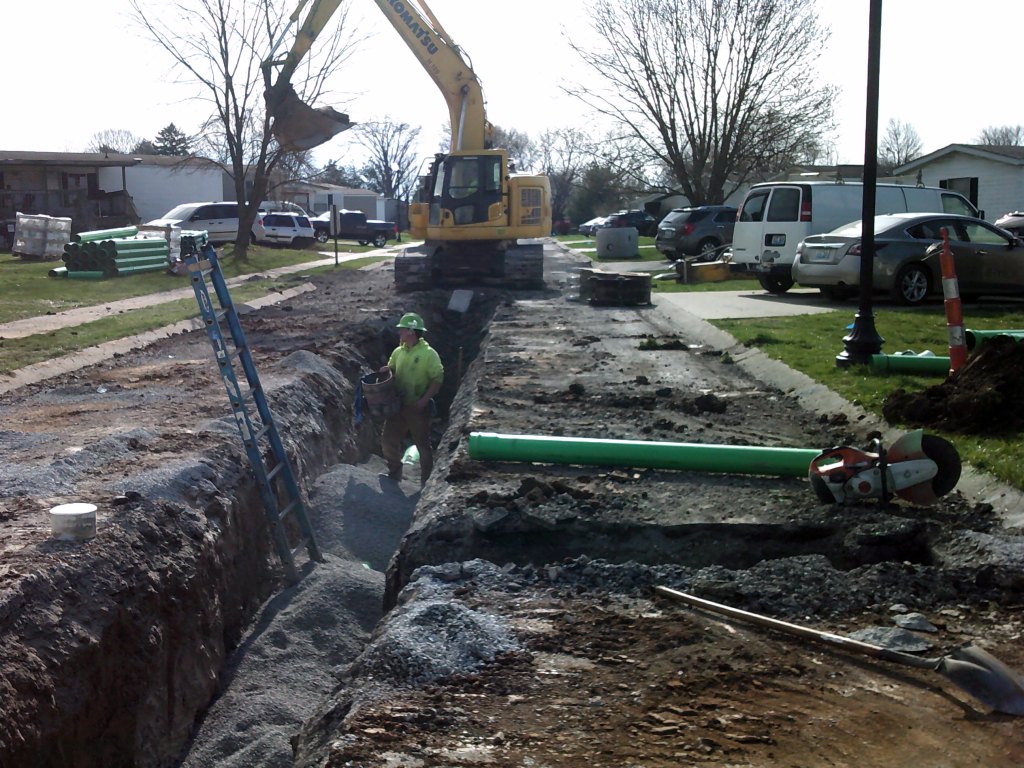
Equally important, the elimination of the 60-year-old package plants that served the area removed major sources of pollution to the Cane Run Watershed, and improved the ecological and public health of the region.
The wastewater improvements eliminated over 3,900 pounds a year of ammonia and 3.25 billion E.coli colonies per day that were being released into local waterways.
A similar project in McCracken County eliminated failing package plants established to serve the JoAnn Estates and Wilmington Chiles subdivisions. The owner/operator of the three package systems passed away in 2016, and the family was struggling to manage the systems or obtain financing to repair them.
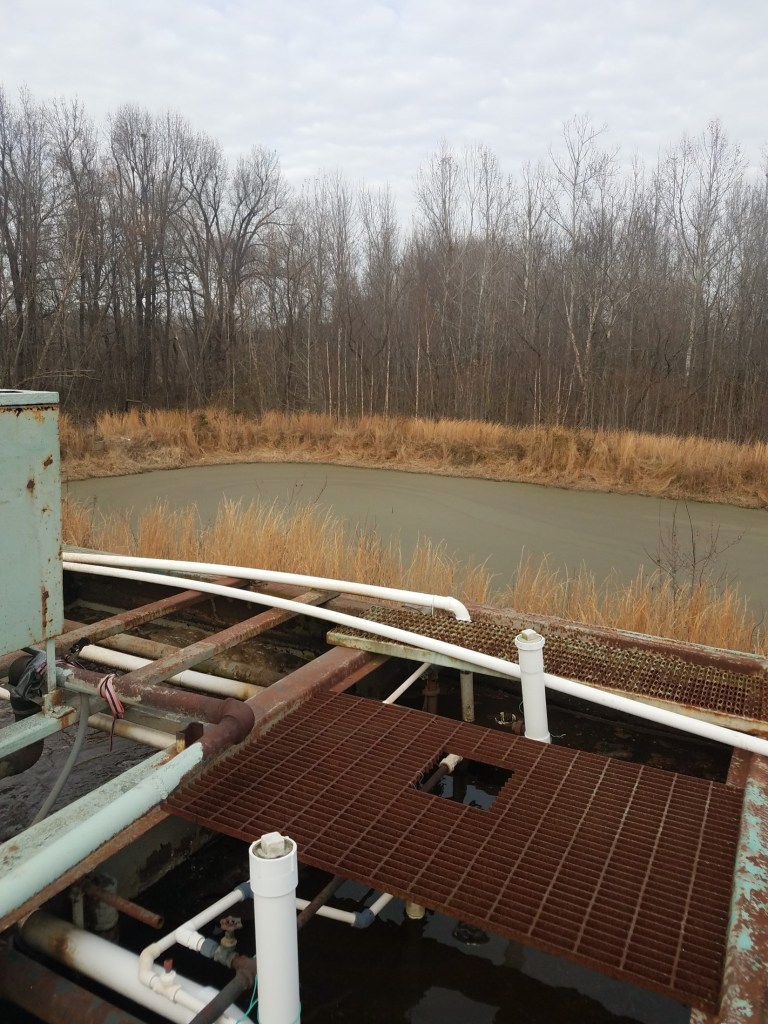
McCracken County’s Director of Operations & Engineering Josh Webb accredited the property owners for their interest in making sure the residents had proper services, as well as a conscientious contractor. “We were very fortunate to have a good contractor that was very conscious working in a residential area.”
The $650,000 project, funded through the Kentucky Infrastructure Authority’s State Revolving Loan Fund, was completed in 2018 and connected approximately 220 residents to the Paducah McCracken County Joint Sewer Agency network. The project eliminated 35 million E.coli colonies from entering nearby waterways per day, and 461 pounds of ammonia per year.
In Marshall County, a $3.06 million project benefited more than 100 residents as well as local schools by eliminating a failing package treatment plant at the Marshall County High School, the Christian Fellowship school’s existing septic system, and three lagoons. The sanitary sewer system expansion project extended service to new customers in the Draffenville area which were being served by aged septic systems.

Former Sanitation Board Chairman Randy Green said the county invested additional funds to improve the wastewater treatment plant and educate local restaurants that were inappropriately disposing of oil and grease. This kept more than 3 billion E.coli colonies from entering local waterways each day.
“Before there was no hope, and now we are thriving,” said Green.
Since efforts began in 2018, public investments totaling more than $30 million connected residents to high quality sewer treatment at regional plants across the state. More than 25,700 pounds of ammonia and 8.9 billion E.coli colonies have been kept out of local waterways across the state.
The Kentucky Division of Water remains active with partners such as the Kentucky Infrastructure Authority to improve wastewater access through traditional funding sources like the Clean Water State Revolving Fund, and innovative funding sources such as the Sewer Overflow and Stormwater Reuse Municipal Grant Program (OSG), the Kentucky Water and Wastewater Assistance for Troubled or Economically Restrained Systems (KY WWATERS) program, and the Cleaner Water Program.
The Kentucky Division of Water developed an online viewer to highlight these local investments and water quality benefits. To learn more, check out the DOW’s package plant success viewer: Decommissioned Package Plant Success (arcgis.com).






 Land, Air & Water