
By Kimberly Bartley, Environmental Scientist Advisor
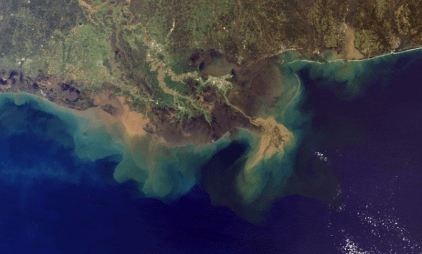
When water flows from the Mississippi River into the gulf, the less dense freshwater remains above the denser saline seawater and create layers that prevent the mixing of oxygen-rich surface water with oxygen-poor bottom water. Image courtesy of EPA.
The Kentucky Division of Conservation and the Boyle County Conservation District recently finished a two-year project that will help improve water quality for the area and reduce the state’s runoff contribution to the dead zone in the Gulf of Mexico.
Excessive nutrient runoff where the Mississippi River empties into the Gulf is so severe that a 2,000 to 5,000-acre dead zone develops annually, killing marine life and impacting ecosystems and fisheries. More than 30 states along the river basin, collectively known as the Gulf Hypoxia Taskforce, are working together to reduce this impact.
Partnering with the Taskforce, the Kentucky Division of Conservation secured a $68,000 grant for the Boyle Country Conservation District. The funding targeted six small watersheds in hopes of improving soil health, which will assist in filtering high nutrient concentrations within the watershed. Boyle County has several impaired streams that impact Lake Herrington, which serves as the community drinking water source.
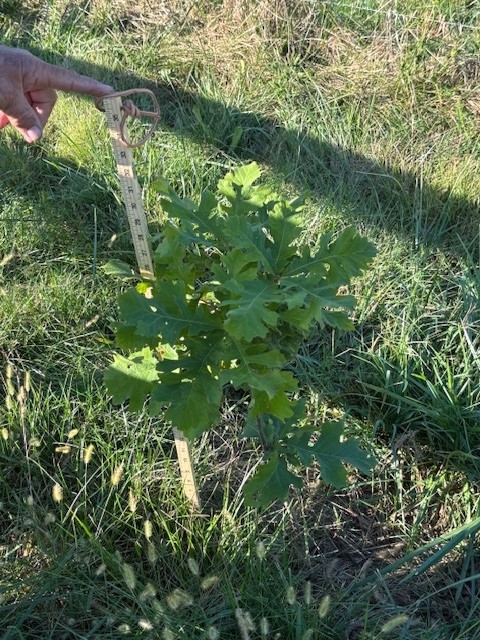
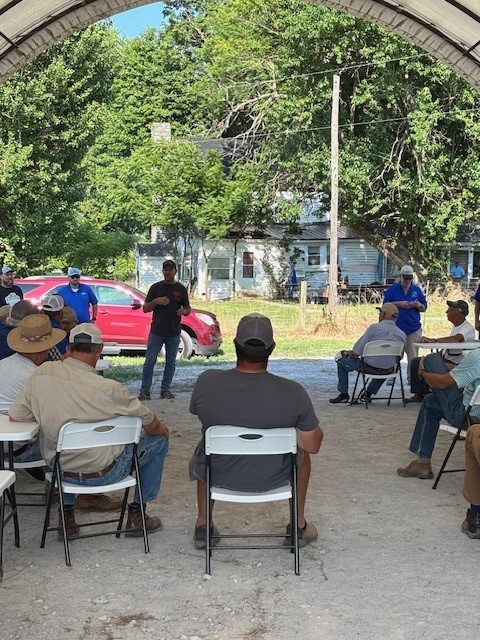
With the help of 43 area landowners, more than 398 acres of cover crop were planted, 1,850 acres of pasture were reseeded, and 800 trees were planted. Eleven participating landowners also updated their farm’s Agriculture Water Quality Plan, required for farms with 10 or more acres of land.
“The conservation district was very fortunate to be chosen for this project and were able to award all funding received,” Boyle County Conservation District Chairman Allen Goggin said. “The education alone was so beneficial for landowners in this county and helped them to better understand gulf hypoxia and how Kentucky plays a role in that.
“Landowners not only received beneficial funding for good practices, but learned a little more along the way about seeding, water quality, soil health and local water bodies. It didn’t hurt that the conservation district also got some good promotion from the project,” he said.
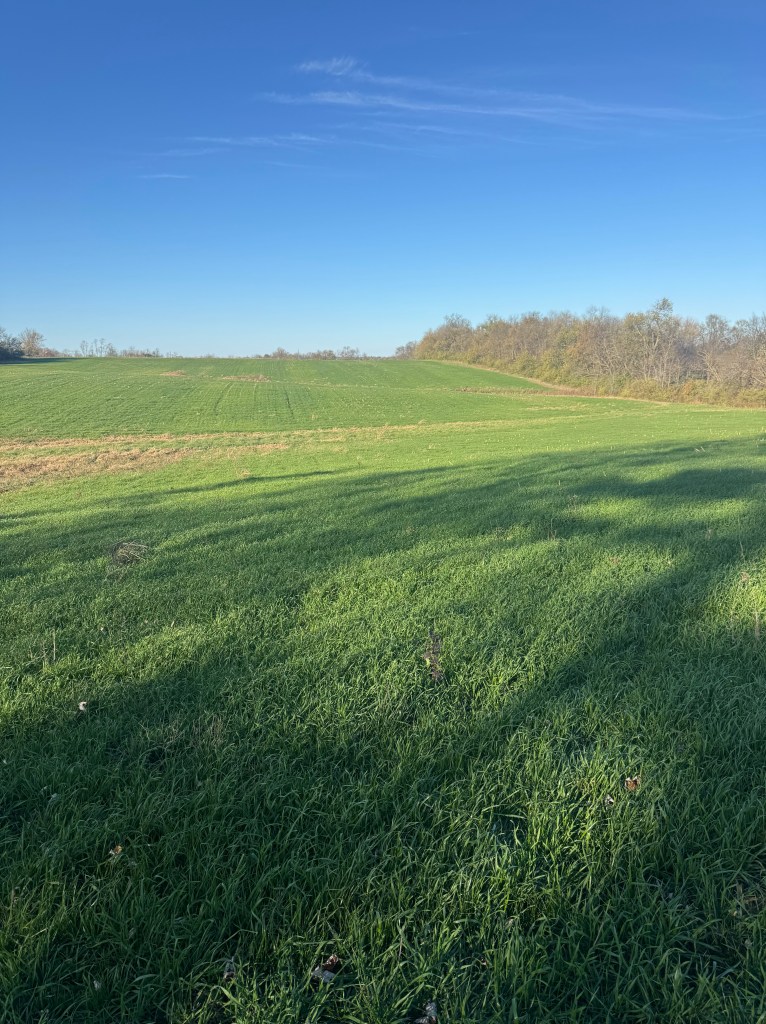
The project was completed in conjunction with Kentucky’s Nutrient Reduction Strategy and Water Quality Planning Program. The project increased awareness and provided education on how to implement best management practices all for improving the water quality within the larger Kentucky River watershed.
“These practices not only reduce agricultural impact to natural resources, but they also improve agricultural productivity and profit for the operations by maintaining valuable nutrients on the farm instead of allowing them to run off,” Kimberly Barton, environmental scientist said. “This is a perfect example of how both state and local entities can work together to accomplish goals and put conservation work on the ground.”
The success of the project includes credit to the Boyle County Conservation District board and staff, the Kentucky Division of Water, the Kentucky Division of Conservation and the UK Cooperative Extension Service.
Categories: All, Conservation, EEC's Blog, Featured






 Land, Air & Water